
Fake Instagram Influencer vs Professional Hairdresser Who Should You Trust
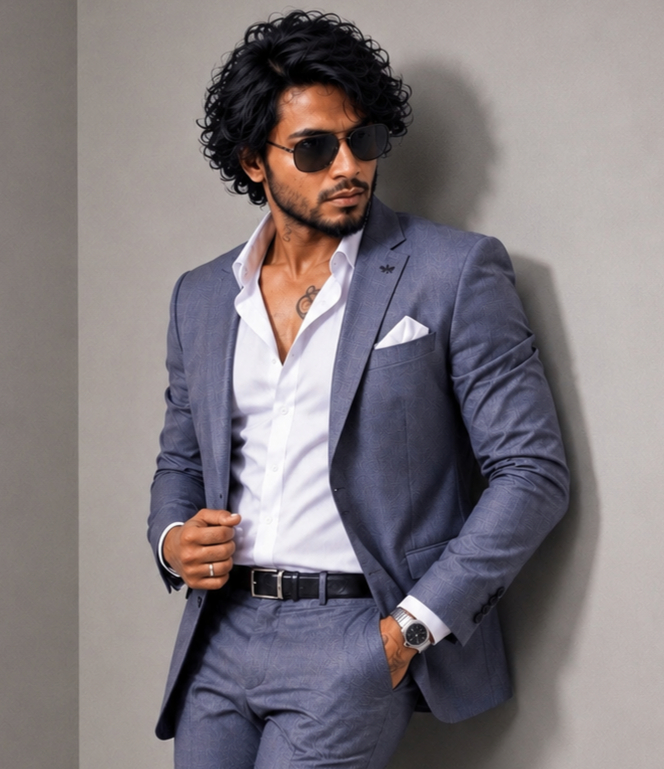
A flawless hair video can make any bundle look luxurious for 15 seconds. The lighting is perfect, the curls bounce on command, and the caption says the hair is “raw,” “premium,” or “the best you will ever buy.” What the video may not show is how the hair behaves after washing, coloring, heat styling, installation, and several weeks of real wear.
That is where the difference becomes clear. A social media influencer may know how to attract attention. A professional hairdresser knows how hair performs on a real head, on real clients, over time.
Choosing raw human hair is not a small purchase. It affects your look, your natural hair, your maintenance routine, and your confidence. Followers and viral videos can be useful for discovery, but they should never replace expert guidance.

A viral hair video does not prove hair quality
Social media rewards what looks good quickly. Hair content often performs well because it is visual, dramatic, and easy to consume. A before-and-after transformation can be powerful, but it can also hide important details.
A short video may not reveal:
Whether the hair was freshly styled only for filming
If the bundles had silicone coating for temporary shine
How the hair behaves after shampooing
Whether the texture matches the buyer’s natural hair
If shedding or tangling appears after installation
How much heat or product was used to create the final look
Influencers often work within the logic of content. The goal is to capture attention, create desire, and drive engagement. That does not always mean the recommendation is false, but it does mean the viewer needs to ask better questions.
A polished reel can make average hair look premium. Soft lighting, fresh curls, slow motion, and filters can disguise dryness, uneven density, split ends, and poor weft construction. Even high-quality hair can look better online than it will look in daily life if the buyer does not understand care and maintenance.
The keyword here is context. Was the hair installed by a trained stylist? Was it washed before filming? How long had it been worn? Was the influencer paid? Did they purchase the hair themselves? Did they give an honest follow-up after several weeks?
Those answers matter more than a trending sound or a crowded comment section.
The influencer’s role is not the same as the hairdresser’s role

The topic of Fake Instagram Influencer vs. Professional Hairdresser is not about attacking every creator. Some influencers are honest, experienced, and transparent. Some are licensed stylists themselves. Many creators introduce customers to new brands and styles they may not have found otherwise.
The concern begins when influence gets confused with expertise.
An influencer may be skilled at:
Creating beautiful visual content
Styling hair for a camera
Explaining trends in simple terms
Showing how hair looks fresh out of the package
Sharing personal opinions and experiences
A professional hairdresser brings a different kind of knowledge. Their work is based on consultation, product performance, hands-on experience, and long-term client results. They see what happens after the install, after the first wash, after vacation, after coloring, after workouts, and after weeks of daily styling.
A hairdresser also has to solve the problems that social media often skips. They deal with matting, thinning leave-out, heat damage, scalp tension, poor blending, uneven lace, weak wefts, and hair that was sold as one texture but behaves like another.
That practical experience is not glamorous, but it is valuable.

Professional hairdressers understand what makes raw human hair worth buying
Raw human hair is often marketed as the highest standard because it has not gone through heavy chemical processing. At its best, it offers natural movement, longevity, and versatility. Still, not every product labeled “raw” is truly raw, and not every raw bundle is right for every client.
A professional hairdresser looks at more than shine. They consider the full picture.
Hair quality and cuticle behavior
High-quality human hair should feel healthy, move naturally, and remain manageable after washing. A stylist can often feel the difference between hair that has natural integrity and hair that has been coated to appear smooth.
They may assess:
Strand strength
Natural luster
Density from top to ends
Shedding level
Tangle resistance
Weft construction
Cuticle alignment
How the hair reacts to water and product
These are not always obvious to a customer holding a bundle for the first time. A professional has handled enough hair to notice warning signs early.
Texture matching and blending
Texture is one of the most overlooked parts of buying raw human hair. A curl pattern may look beautiful online, but that does not mean it suits the client’s natural hair, leave-out, lifestyle, or desired finish.
A hairdresser considers whether the hair will blend with:
Natural curls or coils
Relaxed or silk-pressed hair
Leave-out around the perimeter
Lace or closure placement
The chosen install method
The client’s daily maintenance habits
A mismatch can make even expensive hair look wrong. The right texture creates a seamless result with less manipulation and less heat.
Color and chemical expectations
Many customers want raw hair because they plan to lift, tone, or custom color it. A professional knows that color results depend on the original hair, its condition, and how it was sourced or processed before purchase.
A responsible stylist will not promise that every bundle can become platinum blonde or hold fashion color perfectly. They will evaluate the hair and explain the risk before applying bleach or permanent color.
That honesty protects the client from disappointment and protects the hair from unnecessary damage.
Followers do not equal experience
A large following can create trust, but it does not automatically prove skill. Social media numbers measure attention. They do not measure product knowledge, client care, hair health, or installation ability.
A creator can have thousands of views and still lack the experience to advise on:
Scalp sensitivity
Tension control
Protective styling
Weft placement
Lace customization
Texture blending
Maintenance schedules
Product compatibility
Long-term hair preservation
By contrast, a hairdresser with a smaller online presence may have years of real client results. Their work may live in salon chairs, referrals, repeat bookings, and healthy hair outcomes rather than viral clips.
The smartest approach is to separate visibility from credibility.
Ask what the person actually knows. Ask how they know it. Ask if their advice is based on repeated client experience or one sponsored install.
Beautiful content can inspire a purchase, but professional advice helps protect the investment.
Sponsorships can shape what you see
Sponsored content is not automatically dishonest. Many creators promote products they genuinely like. The issue is transparency. Customers deserve to know when money, free hair, discounts, affiliate links, or brand relationships influence a recommendation.
A trustworthy influencer or brand partner should be clear about:
Whether the hair was gifted
Whether the post is sponsored
Whether they earn commission
How long they tested the hair
What they liked and what they did not like
Whether they washed, colored, or reinstalled it
How the hair performed after normal wear
A fake or unreliable influencer often focuses only on urgency and hype. They may use phrases like “run, don’t walk,” “best hair ever,” or “everyone needs this,” without explaining texture, origin, maintenance, or how long the hair has been tested.
Professional hairdressers tend to speak differently. They are more likely to explain both benefits and limitations. They may say a texture is beautiful but high-maintenance, or that a bundle is soft but not ideal for repeated bleaching. That level of detail may be less exciting, but it is far more useful.

Real client results matter more than one perfect transformation
One stunning result can be impressive. A pattern of consistent results is more reliable.
When choosing who to trust, look for proof that goes beyond a single polished image. Professional hairdressers often show a range of clients, textures, and install types. They understand that great hair does not look the same on everyone.
Strong evidence includes:
Multiple clients wearing the same type of hair
Results shown before and after washing
Installs shown after several weeks
Different textures and lengths
Honest maintenance notes
Clear photos in natural lighting
Clients with healthy leave-out and edges
Reinstall results using the same hair
This kind of proof shows how the hair performs outside a staged moment.
Also pay attention to the condition of the client’s natural hair. A skilled hairdresser does not only make extensions look good. They also care about what is happening underneath. If every look is tight, heavy, or overly manipulated, the result may come at a cost.
Premium hair should support beauty and hair health. It should not require damaging habits to look presentable.
Transparency is a luxury standard
In the raw human hair market, transparency is part of quality. Customers should not have to guess what they are buying.
A trustworthy professional or seller should be willing to discuss:
Hair origin in general terms
Whether the hair is raw, virgin, or processed
Texture patterns and natural variation
Expected lifespan with proper care
Whether the hair can be colored
Maintenance needs
Return or exchange policies
Best installation methods
Product recommendations
No ethical hair expert will promise that all hair lasts forever or that every bundle behaves the same. Human hair is natural, so variation is normal. Raw hair may come in slightly different shades, wave patterns, or densities. That is not always a flaw. It can be a sign that the hair has not been overly manufactured into artificial uniformity.
The key is honest expectation-setting.
If someone avoids direct questions, gives vague answers, or relies only on hype, pause before buying. Premium service should feel informed, not pressured.

How to judge hair advice before you buy
Before trusting a hair recommendation, slow down and review the source. The goal is not to ignore social media. The goal is to use it wisely.
Influencer content can help you discover styles
A video may show shine, length, and movement
A post may highlight a trend
A discount code may save money upfront
A creator may share one experience
Professional advice helps you decide what actually works
A consultation can explain texture match, install options, and upkeep
A stylist can tell you if the trend suits your hair and lifestyle
The right product choice can protect your investment over time
A hairdresser can compare results across many clients
Use this checklist before purchasing raw human hair:
Ask how long the hair was tested
A same-day review is limited. Longer wear reveals more about tangling, shedding, dryness, and manageability.
Look for washed and air-dried results
Hair can look very different after product buildup is removed. Washed results show the true pattern and quality.
Check for natural lighting
Heavy filters and studio lighting can hide uneven ends, dryness, and color differences.
Read comments carefully
Look for real customer questions and follow-up answers, not just compliments.
Ask your stylist before purchasing
A trusted hairdresser can tell you whether the texture, length, and quality fit your desired install.
Be cautious with extreme claims
Any promise of “no shedding,” “no tangling,” or “lasts forever” should raise concern. All hair requires care.
The best choice combines inspiration with expertise
Social media can be a helpful starting point. It can introduce you to textures, lengths, colors, and styling ideas. There is nothing wrong with saving a video for inspiration or following creators with beautiful hair content.
The mistake is letting content replace consultation.
A professional hairdresser brings the missing layer of expertise. They can explain what will blend well, what will last, what may damage your natural hair, and how to care for your investment after installation. They can also tell you when a popular hair trend is not the best choice for your goals.
That kind of advice is especially valuable with raw human hair because raw textures can vary. The right bundle in the wrong texture or installation can still disappoint. The right stylist helps connect the product to the person wearing it.

Who should you trust when choosing raw human hair
Trust the person who can explain the hair beyond how it looks on camera.
Trust the person who understands texture, density, installation, maintenance, and long-term wear. Trust the person who answers direct questions clearly. Trust the person who shows real client results, not only fresh content. Trust the person who tells you what a product can and cannot do.
A fake or unreliable influencer sells a fantasy and disappears after the sale. A professional hairdresser helps you make a decision, cares how the hair performs, and supports the result after the install.
The smartest customer can appreciate beauty online while still asking for professional guidance offline. Let viral videos inspire the look, but let expertise guide the purchase. Premium raw human hair deserves more than a quick click. It deserves informed choice, proper installation, and care that protects the beauty you paid for.


Comments